Travelers and residential renters increasingly prefer the convenience of digital access. These solutions also offer commercial benefits to businesses operating in these fast-growing sectors: it becomes faster and more cost-efficient for them to roll out new sites and to manage access to them
Building Automation
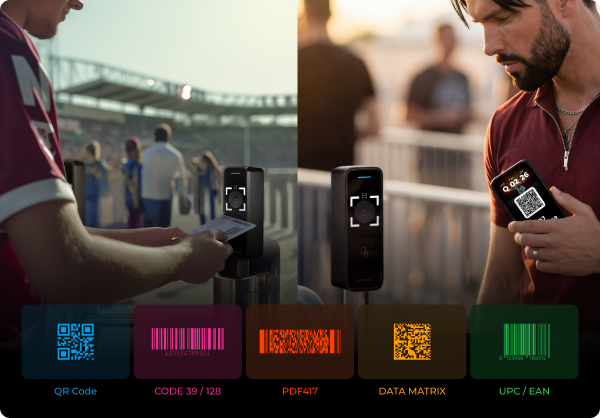
The new device combines QR, barcode, RFID and mobile credential support in a single compact reader, targeting venues and facilities where speed, flexibility and user convenience are becoming critical to access control Suprema is expanding its non-biometric access control portfolio with XPass Q2, a new intelligent reader that integrates multiple credential technologies into
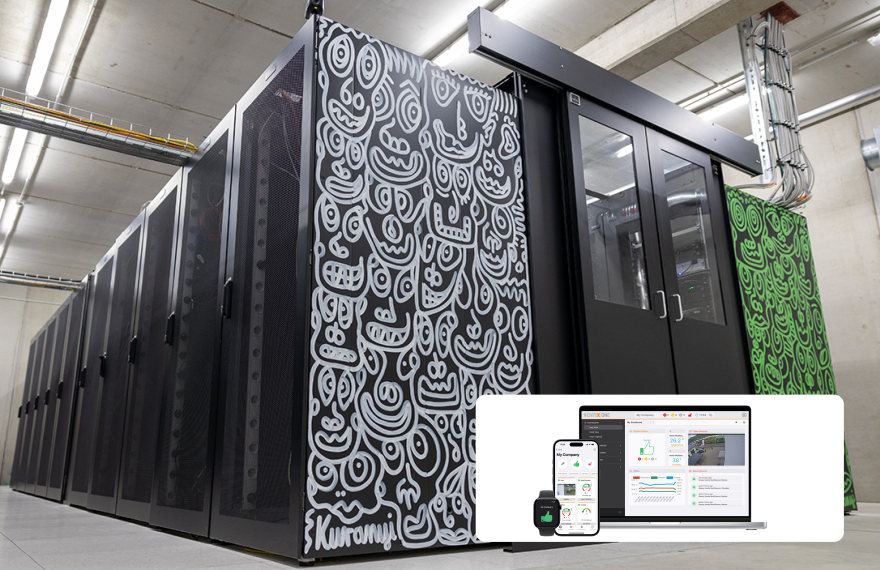
Demand for data centers is growing at a remarkable rate. Data’s strategic importance to both commercial and non-commercial organizations makes physical security fundamental at these sites. National and regional regulations place ever more stringent requirements on in-house and co-location operators to take a secure approach to data management and protection. Data’s
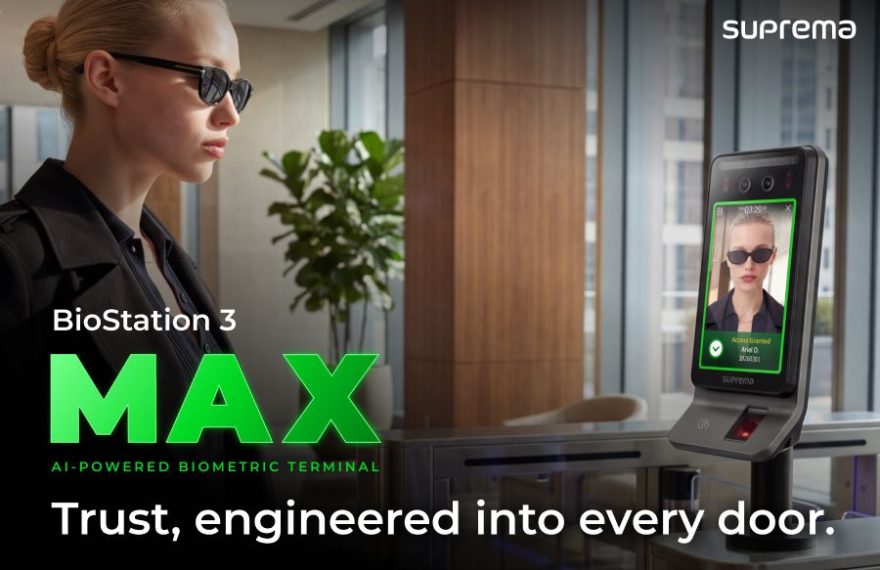
Suprema has signed a three-party memorandum of understanding with Hyundai Motor Group Robotics LAB and Hyundai Engineering & Construction to develop residential complexes where service robots and human residents share a unified AI security infrastructure The agreement brings together three distinct capabilities: Suprema’s AI-powered access control and biometric
HID announced the launch of HID Converged Credentials, enabling organizations to secure their facilities and manage employee identities and credentials with a single, unified platform Designed to give security teams a practical path to modernize their identity architecture, the solution consolidates physical and logical access under a single phishing-resistant credential,
New research highlights five trends shaping the identity landscape, alongside rising ethical and privacy concerns HID, a global leader in trusted identity solutions, has released its 2026 State of Security and Identity Report, revealing how organizations in the region and worldwide are reshaping their approach to identity management. Based on insights from more than 1,500
Physical access control is shifting from a static perimeter model to a dynamic, identity-aware foundation. As organizations adapt to hybrid work, complex compliance standards and growing digital footprints, their access infrastructure must evolve with them. Leading teams now evaluate access systems based on how well they manage identity across environments — and how
Trust is often assumed to be something earned through time, relationships and reputation. But in enterprise environments, trust also comes from well-designed infrastructure. Access control plays a quiet but constant role in shaping how people feel about safety, consistency and accountability across the spaces they use every day From an employee tapping in at the […]
You’ve made the decision to upgrade your organization’s access control system. Whether it was driven by security concerns, compliance requirements or demands for a modern user experience, you’re now facing the next critical question: How to make this transition? Which path will cause the least amount of havoc — and expense? By Jaroslav Barton The good news is […]
Access control has traditionally focused on risk prevention. But in today’s complex environments, user experience shapes outcomes just as much as policy. When systems align with how people move and work, they create consistency, support security protocols and improve operations Identity is what makes that possible. Systems that recognize individuals in context — across