HID eases mobile access migration with existing readers
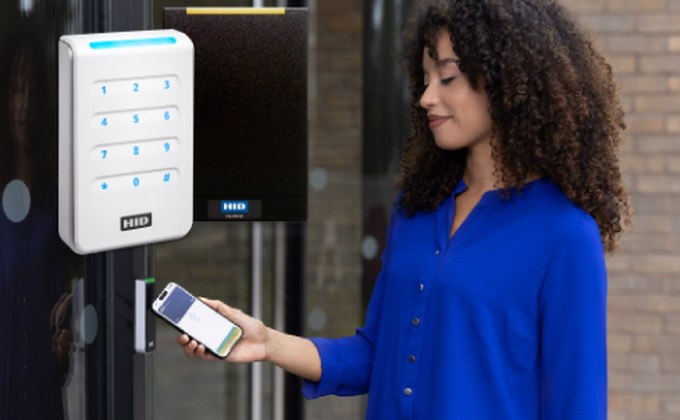
HID has expanded its mobile access capabilities to help organizations move to mobile credentials while keeping compatible readers and existing Seos keys in place.
HID has introduced new mobile access capabilities designed to reduce the infrastructure changes and on-site work required for mobile deployments. The HID Mobile Access App now enables installed HID Signo and iCLASS SE mobile-ready readers to use existing Seos keys.
Building on existing access infrastructure
According to HID, organizations with compatible installations can use the new functionality without replacing or reconfiguring readers, performing firmware updates or requiring truck rolls.
The change addresses one of the practical obstacles to mobile access projects: updating readers already deployed throughout a facility.
The key shift is a lower-disruption path to mobile access: compatible HID installations can retain existing readers and Seos keys instead of starting with a reader replacement project.
Gustavo Gassman, Vice President of Emerging Markets, PACS HID, said organizations across the Middle East and Africa have recognized the value of mobile access for years, but large-scale implementations have often required significant time, resources and coordination.
“These new capabilities make mobile deployments more practical by allowing customers to use the infrastructure they already have and giving integration partners a more efficient way to deliver projects across the region’s fast-growing security landscape,” Gassman said.
Wallet support and mobile reader management
HID is also adding support for Samsung Wallet, expanding the digital wallet options available for mobile access in global markets.
Another update, HID Linq Mobile, enables administrators to configure, update and prepare compatible readers directly from a mobile device. Firmware updates, reader configuration and mobile enablement can be carried out in the field using Bluetooth Low Energy and NFC.
Together, the updates expand HID Mobile Access capabilities while allowing organizations to build on compatible existing infrastructure rather than replace readers as part of the migration.