HID Global: What Mobile Credential Adoption Curve Really Demands from Channel
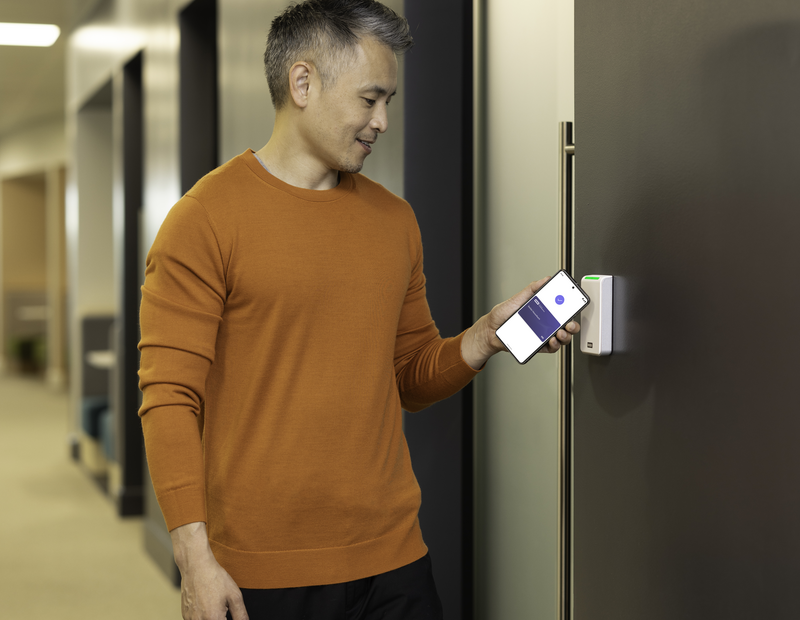
Mobile credentials are slowly becoming the new standard in access control. Their growing adoption is shaped by security rather than convenience, reducing long-term operational costs, and the need to support hybrid environments where mobile and physical credentials coexist
By: Sam Cherif, Senior Director, Middle East & Africa, ASSA ABLOY Opening Solutions
E-mail: sam.cherif@assaabloy.com
The debate over whether mobile credentials represent the future of physical access control is effectively over. According to HID’s 2026 State of Security and Identity Report, 74% of organizations have either already deployed mobile credentials (36%) or are actively planning to do so (38%). That is an infrastructure decision being made right now across most enterprise environments, and it changes the nature of the conversation that security integrators and distributors need to have with their clients.
Security Over Convenience
 What is shifting is the reason organizations are making that decision. In previous years, user convenience dominated the adoption argument. The 2026 data tells a different story: security improvements now lead as the primary driver at 50%, with user convenience trailing at 34%. Clients are no longer buying mobile access because it is easier. They are buying it because they believe it is more secure, and they are looking to partners who can substantiate that belief with architecture and evidence. Mobile credentials operate through encrypted communication channels and mutual authentication protocols that physical cards cannot replicate. A credential on a device cannot be cloned the way a proximity card can. Access rights can be updated remotely, in real time, and former employees can be deprovisioned the moment they exit the organization.
Wallet-based credentials extend this further. Where mobile access once required a dedicated application, wallet credentials allow organizations to issue, manage, and revoke access through the same infrastructure employees use for payments and travel documents. Lifecycle management becomes immediate: new hires are provisioned before day one, access rights are updated as roles change, and employees are removed without a card to collect. For organizations operating across multiple sites or in regions with high device penetration, wallet-based credentialing is an operationally lean, straightforward-to-scale deployment model.
Clients are no longer buying mobile access because it is easier. They are buying it because they believe it is more secure, and they are looking to partners who can substantiate that belief with architecture and evidence.
Complex Deployment
The deployment reality is, however, more complex than a clean migration would suggest. The majority of end users (84%) report maintaining a mix of mobile and physical credentials. This reflects genuine operational diversity: visitors and contractors often require physical credentials, and environments where a visible badge serves a compliance function cannot rely only on a smartphone screen. Integrators who approach mobile deployments as a binary replacement exercise will find themselves solving the wrong problem. A mobile credential that covers the main entry but requires a separate card for secure printing, parking, or time-and-attendance is not a mobile access system. It is a partial deployment with two parallel administrative overheads. The value of mobile credentials scales with how comprehensively they are deployed, and scoping that at the outset is where the strongest deployments begin.
Intensified Cost Sensitivity
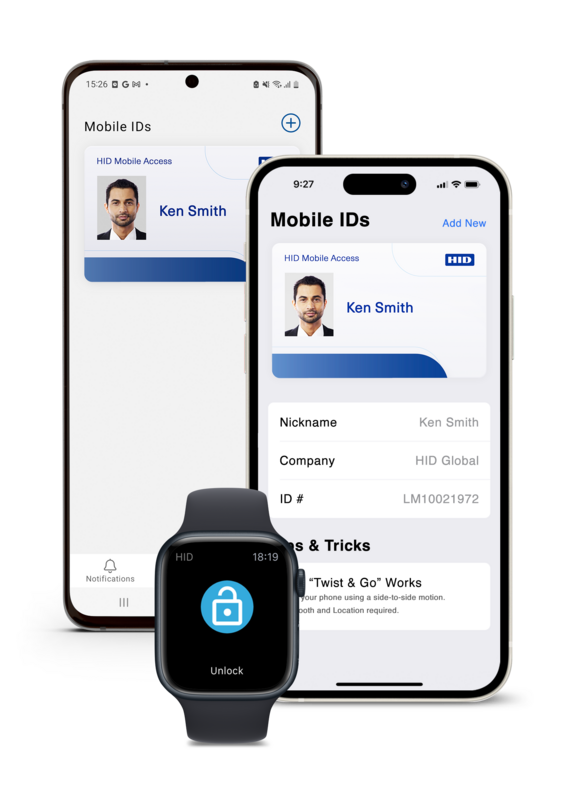 The remaining barriers are worth addressing directly. Cost sensitivity has intensified: 44% of end users now cite perceived implementation costs as their primary obstacle, up from 24% the prior year. This rise reflects economic pressure and insufficient ROI communication from the security industry. A mobile credential system eliminates card stock, printing infrastructure, and the overhead of managing lost or expired credentials. Integrators who lead with total cost of ownership analysis rather than upfront pricing will find the conversation changes. About 37% of organizations also cite a lack of in-house expertise as a reason for not progressing. That gap will not close internally in the short term. It is a gap the channel is positioned to fill.
The value of mobile credentials scales with how comprehensively they are deployed, and scoping that at the outset is where the strongest deployments begin.
Finally, 80% of respondents expect a mostly mobile or balanced credential environment within five years. Organizations have already committed to where they are heading. The integrators who will earn long-term relationships in this market are those who help clients navigate the path competently, with architecture thinking, honest cost analysis, and the capability to deliver environments where mobile and physical credentials coexist without compromise. The window to establish that positioning is now: clients evaluating deployment today are setting infrastructure standards their organizations will operate within for the next decade.