Inside Saudi Arabia’s Double-Digit Security and Safety Boom
Saudi Arabia’s security market is experiencing unprecedented transformation, driven by Vision 2030 mega-projects and advanced technologies. From smart city infrastructure to critical energy facilities, the Kingdom is rapidly adopting surveillance, access control, and fire safety systems. Industry executives reveal how this evolution is reshaping everything from mobile credentials to predictive safety systems.
By: Fatima Al Husseiny
Saudi Arabia’s physical security market is accelerating rapidly, fueled by Vision 2030 and massive project investments. These forces are creating explosive demand for AI surveillance, biometrics, fire safety, and integrated command systems to safeguard critical infrastructure, enable smart cities, and support the Kingdom’s ambitious growth. To shed more light on this, industry leaders from Bosch Building Technologies, Tabbara Electronics, and HID reveal why security and safety have evolved from an operational necessity into a strategic pillar of Saudi Arabia’s economic transformation.
Security Market Set for Double-Digit Growth
Saudi Arabia’s physical security market, valued at USD 1.24B in 2024, is set to nearly double to USD 2.36B by 2031 (CAGR 9.6%), according to IMARC Group. Growth spans oil & gas, healthcare, real estate, and transport, with hardware leading, while software and services are rising through analytics and connectivity.

Sam Cherif, Director and Regional Business Head for Middle East and Africa at HID
Sam Cherif, Director and Regional Business Head for Middle East and Africa at HID, emphasizes that “Saudi Arabia’s security market is one of the most dynamic in the world right now. Driven by Vision 2030, the Kingdom is making bold investments in digital transformation and infrastructure, and security is a fundamental part of that journey.”
“The Saudi security market is expanding rapidly, driven by strong public and private sector investments. Growth is in the double digits annually, with the highest volumes in critical infrastructure, transportation hubs, energy facilities, and smart city initiatives, all areas where security and connectivity are fundamental to operations,”
Loubna Tabbara, Marketing and Sales Director at Tabbara Electronics
Growth is underpinned by technology adoption, regulatory support, and rising demand across infrastructure and verticals. Vision 2030 programs grew by 33.8% in 2024, channeling investment into health, education, tourism, logistics, industry, and renewables. A major contributor is the services segment, valued at USD 1.81 billion in 2025 and expanding 7.4% annually through manned guarding, consulting, and integrated operations.
Giga-Projects Transform Security
Saudi Arabia is leading the Middle East security market with strong double-digit growth, driven by government investments in critical infrastructure and smart city projects, alongside growth in the UAE. Frost & Sullivan projects commercial security to reach USD 10.2B and homeland security USD 34.2B by 2020, with fire safety also expanding sharply. Driven by mega-projects and rising threats, demand spans CCTV, access control, perimeter systems, and fire protection, while cloud-based surveillance and IT security for data centers gain traction.
Supported by the Public Investment Fund (PIF), Saudi Arabia’s megaprojects span energy, urban development, culture, housing, and healthcare. As Maan Ghannam, Regional Sales and Business Development Manager at Bosch Building Technologies, emphasized, “The Kingdom’s transformative Vision 2030, coupled with the unparalleled scale of Public Investment Fund (PIF) initiatives and giga-projects, has unleashed an extraordinary breadth of opportunities across virtually every trade and business sector in Saudi Arabia.”
Mega and giga-projects like NEOM, Red Sea Global, and Qiddiya are at the heart of Vision 2030. As Cherif explained, “Everywhere you look, from mega-projects like NEOM to the expansion of airports, hospitals, and financial services, there is a clear demand for smarter, more connected, and more secure solutions. This demand is set to propel the market at a compound annual growth rate (CAGR) of 9.1% to hit $3.4 billion by 2030.”
NEOM, Saudi Arabia’s flagship Vision 2030 giga-project in Tabuk Province, aims to redefine sustainable living, technology, and innovation, encompassing The Line, Trojena, and Oxagon. Reflecting on its scale and complexity, Tabbara notes that “Saudi Arabia is undertaking some of the most ambitious projects in the world, and security is central to them. At the forefront is NEOM and the other giga-projects, where advanced surveillance and communication systems are being integrated right from the planning stage.” Red Sea Global, a PIF-backed developer founded in 2018, drives the Kingdom’s premier tourism initiatives, including The Red Sea, AMAALA, and Thuwal Private Retreat.
Qiddiya, another PIF-backed giga-project, plays a unique role in achieving Vision 2030’s ambitions, with security embedded in its infrastructure and operations. Following this, New Murabba, launched in 2023, is a 19 sq. km mixed-use development in Riyadh. Designed for walkability and cultural integration, it is projected to add SAR 180 billion to non-oil GDP and create over 330,000 jobs by 2030, with advanced security systems integrated throughout the district.
SMEs and Investments Fuel Demand
SMEs, a key pillar of Vision 2030, now employ 7.8 million people, with women leading 45% of new registrations. Their growth in fintech, tourism, e-commerce, and manufacturing is driving demand for affordable, scalable security solutions like retail surveillance and integrated access control.
Credit upgrades, strong PMI readings, and rising FDI are driving capital into technology, real estate, healthcare, and tourism, while giga-projects such as Expo 2030 strengthen investor confidence. This growth is also fueling demand for advanced physical security in ports, airports, and economic zones, protecting critical assets and reinforcing Saudi Arabia’s position as a safe and competitive trade hub.
Key High-Growth Verticals in Saudi Arabia
As Saudi Arabia pursues its Vision 2030 goals, distinct sectors are driving unique security demands and technological adoption. From critical energy infrastructure to emerging smart cities, each vertical is reshaping the Kingdom’s security landscape.
The 2025 Security Services Sector Skills Council Report highlights a rapidly transforming industry driven by technology integration, ecosystem evolution, and service diversification. AI surveillance, biometrics, IoT, and cloud monitoring are boosting efficiency, while collaboration is fostering integrated cyber-physical platforms.
Security Supports Critical Energy Infrastructure
Saudi Arabia’s energy and utilities sector remains the backbone of the country’s economy. Rising consumption, growing electricity demand, and significant infrastructure expansion highlight both its central role in development and its exposure to security risks. Commenting on this, Tabbara emphasized, “In the energy sector, whether oil and gas, utilities, or renewables, we see continuous prioritization of advanced command, control, and communication solutions to safeguard operational continuity and resilience. We also take pride in supporting Saudi Arabia’s defense and oil and gas sectors through our trusted partners, where we maintain strategic stock to ensure availability and continuity for these nationally important industries.”
Ghannam noted, “Closely following are the utilities sector, driven by a surging demand for power and energy, and a robust strategic push towards increasing renewable energy capacity.” This growth drives investor confidence, partnerships, and demand for robust security across critical infrastructure, from perimeter surveillance to access control, ensuring operational continuity in the Kingdom’s vital sectors.
Making Transport Future-Ready
Saudi Arabia’s aviation sector, a key pillar of Vision 2030, is scaling to serve 300M+ passengers annually by 2030. AI is transforming safety, efficiency, and sustainability through predictive maintenance, traffic management, passenger services, and fuel optimization, despite regulatory and cost challenges. Tabbara noted, “Transportation and aviation are undergoing rapid modernization, with major investments in airports, metro systems, and logistics hubs.” This growth is fueling demand for advanced security—surveillance, access control, perimeter defense, and intrusion detection—where AI analytics enhance monitoring, anomaly detection, and compliance to protect infrastructure and support global connectivity. Ghannam concluded, “The aviation sector is undergoing massive investments to increase capacity dramatically. A prime example is the visionary King Salman International Airport, set to become one of the largest in the world.”
Proactive Security for Smart Cities with AI Systems
Smart city growth in Saudi Arabia is driven by the integration of IoT and AI, which links sensors, cameras, vehicles, and infrastructure into unified networks. Predictive analytics and machine learning improve traffic, energy use, and urban planning, while AI-enabled security systems provide proactive surveillance and access control. The result is intelligent ecosystems that enhance safety, efficiency, and resilience across urban environments.
Tabbara emphasized that “Beyond flagship projects, investments in smart cities and transportation modernization are accelerating the adoption of connected surveillance and unified communication platforms.” Saudi Arabia’s smart city drive, led by Riyadh, Madinah, Makkah, Jeddah, and Al-Khobar with SAR 500B in municipal investments, NEOM, and Quality of Life programs, uses IoT, AI, 5G, and data platforms to enhance mobility, utilities, health, and governance.
Safeguarding the Kingdom’s Leisure Economy
Tourism is another key pillar of Vision 2030, with goals to attract 150M visitors annually by 2030, contribute 10% to GDP, and create 1M jobs. As Tawfeeq Alsadoon of Red Sea Global notes, achieving this requires robust security to safeguard infrastructure, natural assets, and visitor experiences. Saudi Arabia’s tourism boom, from AlUla to new entertainment and cultural hubs, demands advanced crowd management, emergency response, and discreet surveillance.
Similarly, Saudi Arabia’s sports sector is set to grow to $22.4B by 2030, fueled by investments, global events, and Vision 2030. Having hosted 100+ events, including Formula 1 and the FIFA Club World Cup, the Kingdom will also host the 2034 FIFA World Cup. Ghannam noted, “Further, major commitments like Expo 2030 and the FIFA World Cup 2034 highlight this diversification, driving vast new requirements for advanced Life Safety systems.”
Technology Trends Shaping the Security Market
Across Saudi Arabia’s security industry, transformative technologies are redefining traditional market segments. AI analytics, cloud integration, mobile credentials, and biometric authentication are not just enhancing existing solutions but rather changing how surveillance, access control, and threat detection systems operate. The following analysis examines the key technological trends driving growth and innovation across core security segments in the Kingdom.
AI, IP, and Cloud Power Video Surveillance Market

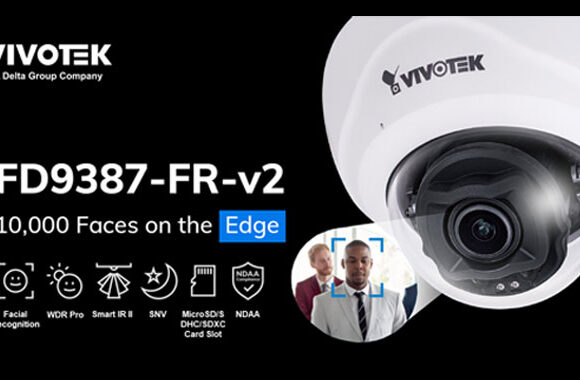
There is strong demand for AI-powered surveillance systems, not only traditional CCTV, but platforms with analytics such as facial and object recognition that allow operators to respond proactively.
Saudi Arabia’s video surveillance market, valued at USD 690.5 million in 2024, is projected to reach USD 2.09 billion by 2033, growing at a CAGR of 13.1%, according to IMARC Group. This rapid growth is driven by Vision 2030 mega-projects, smart city developments, and critical infrastructure expansion, creating strong demand for advanced, AI-enabled systems.
Surveillance and analytics are becoming central to physical security as the Kingdom modernizes. Moving beyond traditional CCTV, AI-powered systems now deliver facial recognition, object detection, and behavioral analysis to enable proactive incident response. Tabbara noted, “On the surveillance side, Avigilon and Pelco platforms are in strong demand, particularly for their advanced AI analytics and open integration capabilities.” She added, “There is strong demand for AI-powered surveillance systems, not only traditional CCTV, but platforms with analytics such as facial and object recognition that allow operators to respond proactively.”
There is also a marked shift from analog to IP-based and wireless cameras, offering greater connectivity, flexibility, and scalability for smart city and infrastructure projects. Meanwhile, cloud-based surveillance solutions, including Video Surveillance as a Service (VSaaS), provide scalable, remote-access capabilities while ensuring compliance with data privacy regulations.
Ghannam explained, “The current market landscape is characterized by an urgent need for pioneering ideas and inventive solutions, particularly those leveraging the power of artificial intelligence.” Building on this, Tabbara stated, “We are seeing a dynamic shift in how security technology is deployed. One of the strongest trends is the adoption of AI-driven video analytics, which allows operators to move beyond passive monitoring and anticipate risks with faster, data-driven decisions.”
As these technologies take hold, video surveillance in Saudi Arabia is becoming a strategic tool for safety, operational efficiency, and resilience. Leading players include Pelco, Avigilon, Axis Communications, Panasonic, Hikvision, Dahua Technology and Hanwha Techwin.
Access Control Growth Driven by Mobile, Open, and Sustainable Solutions
Saudi Arabia’s access control market is set to grow rapidly through 2028, fueled by rising security needs, flagship infrastructure projects, and the adoption of cloud-based systems. Valued at approximately USD 137 million in 2023, the market is forecast to reach around USD 242.9 million by 2030, growing at a CAGR of 8.59%, based on BlueWeave Consulting (2024).
According to Cherif, “A huge volume of investment in advanced access control, video surveillance, sophisticated biometrics, and integrated physical security systems for critical infrastructure.” Building on this momentum, he highlighted how flagship developments are leading the way, saying, “It is also exciting to see how cutting-edge projects such as the Red Sea Project and AMAALA are also setting new benchmarks by adopting cutting-edge, technology-driven approaches to safety and access control.”
As the Kingdom advances its growth goals, three major trends are reshaping the access control landscape: the rapid rise of mobile access, the adoption of open and cybersecure platforms, and the growing demand for sustainable and eco-friendly credentials.
Mobile Access: From Plastic to Digital
Reflecting on market dynamics, Cherif explained, “What we see in Saudi Arabia is that demand is being shaped less by a single ‘top seller’ and more by a strong push for digital transformation. Organizations want solutions that are secure, seamless, and future-ready, and that is driving the rapid adoption of our mobile access technologies. Our HID Mobile Access®, for example, including the Employee Badge Integration with Apple Wallet, has been especially well received in the Kingdom.” HID Mobile Access replaces cards and keys with secure smartphone or smartwatch credentials, enabling tap-based entry while enhancing security through encryption, instant revocation, and optional MFA.
Open and Cybersecure Platforms
The push for open-architecture and cybersecure solutions is also reshaping access control in the Kingdom. HID’s Mercury MP Controller integrates IoT, automation, and third-party systems with advanced encryption, secure boot, and ARM TrustZone protection. Commenting on its regional impact, Cherif noted, “This past year, we introduced our new MP Controllers to the Saudi market, which are designed to deliver cybersecurity measures like vulnerability scanning, compliance-ready technology, and secure boot processes to businesses of all industries and sizes to ensure maximum protection.”
At the same time, the HID Aero Controller line is attracting interest as an open-architecture platform offering a complete integration package. Cherif explained, “At the same time, we are seeing growing interest in our HID Aero Controller product line, which gives access control providers a complete and ready-to-use platform without the costs of building and maintaining their own hardware.”
Focus on Sustainable Credentials
The shift toward environmentally responsible security is evident in the growing demand for HID’s Seos Bamboo Eco Card. This credential offers the same advanced Seos technology and security features as PVC cards, but supports ESG commitments. Cherif noted, “Our Eco Card range is proving to be a great fit for organizations that are accelerating their sustainability journey, allowing them to enhance security while supporting their environmental commitments.”
By reducing carbon emissions by 75% compared to traditional PVC cards, Seos Bamboo Eco Cards allow Saudi organizations to strengthen security while advancing their sustainability goals.
Biometrics Enhance Security Across Sectors
Saudi Arabia’s biometrics market, valued at USD 394M in 2024 and set to reach USD 1.35B by 2033 (14.7% CAGR), is driven by mobile adoption of fingerprint, facial, iris, voice, and passwordless authentication for secure digital identity. Commenting on this momentum, Cherif noted, “From our perspective, IoT-enabled and automated technologies are enhancing real-time threat detection and response in high-traffic zones and critical infrastructure.”
Infrastructure initiatives like the Nafath national single sign-on platform, which processed over 3 billion verifications across 530+ entities by late 2024, highlight the scale of adoption. Reflecting on these trends, Cherif explained, “The market is increasingly expecting mobile credentials, which offer a secure, touchless way to access buildings and services using smartphones and wearables. Biometric authentication, from fingerprint to facial recognition, is also being increasingly deployed across various sectors, including government, banking, healthcare, and retail, for identity verification and access control.”
IDP Market Poised for Rapid Growth
The Saudi Arabia Intrusion Detection and Prevention (IDP) market generated USD 98.3 million in 2024 and is projected to nearly double to USD 192.7 million by 2030, growing at a CAGR of 12.3% (2025,2030). Rising security concerns,
digitalization, and demand for advanced cyber-physical protection drive growth. Solutions dominated with 65% of revenue in 2024, while services are set to grow fastest. Key technologies include NIDS, HIDS, NIPS, hybrid IDS, and HIPS, with applications across BFSI, government & defense, IT & telecom, healthcare, retail, and manufacturing. Major players include Cisco, Fortinet, IBM, Palo Alto Networks, Sophos, Bosch, and BAE Systems (Grand New Horizon, 2024).
Rising Threats Fuel Demand for Safety Technologies
While advanced security technologies safeguard critical assets, complementary safety systems ensure that people and operations are equally protected, reflecting the Kingdom’s integrated approach to risk management
Saudi Arabia’s safety market is experiencing robust expansion across multiple segments, driven by Vision 2030 infrastructure projects, enhanced regulatory frameworks, and growing awareness of workplace safety standards. The convergence of traditional safety systems with IoT and smart technologies is transforming how organizations approach risk management and compliance.
Ghannam highlighted the strong performance of the Kingdom’s safety market, noting its resilience and alignment with national transformation goals. “Delving into our market analysis, we are witnessing exceptional growth figures within Life Safety across the Kingdom.” Drawing on his long-standing experience in the field, he further emphasized how Saudi Arabia’s evolving safety landscape is shaping demand for advanced technologies.
Ghannam added, “The construction sector has unequivocally emerged as the primary driver of demand for Life Safety solutions, which cuts across vertical segments and is not limited to transportation, critical infrastructure, commercial, residential, hospitality, office spaces, and sports infrastructure.”
Fire Safety is the Largest Segment
The fire safety sector represents the most substantial segment of Saudi Arabia’s safety market. The fire safety equipment market is projected to reach USD 1.067 billion by 2030, growing at 8.2% CAGR from 2024. Several specialized segments support this growth.
Fire suppression systems constitute a major component, with the market generating USD 213.1 million in 2024 and expected to reach USD 324.0 million by 2030, reflecting a 7.2% CAGR. Sprinklers dominate this segment as the largest revenue-generating product category. The broader fire suppression system market, valued at USD 612.0 million in 2023, is forecast to reach USD 1.017 billion by 2030 at a 7.5% CAGR.
Within the fire safety landscape, specialized sectors like data centers represent high-growth niches with unique requirements. Saudi Arabia’s data center fire detection and suppression market, valued at USD 56 million in 2023 and set to grow at 11.4% CAGR through 2029, is driven by digitization and the need for secure operations. Growth stems from AI-powered predictive monitoring, eco-friendly suppression agents, and multi-sensor detection systems, reflecting a focus on resilience, sustainability, and advanced safety in the Kingdom’s digital economy.
Workplace and Construction Safety Runs on Infrastructure-Driven Demand
The workplace safety market demonstrates the highest growth trajectory, valued at USD 504.6 million in 2024 and projected to reach USD 1.397 billion by 2030, representing an impressive 19.1% CAGR. This accelerated growth reflects heightened regulatory focus and Vision 2030’s emphasis on world-class safety standards.
Personal protective equipment (PPE) dominates this segment with 59.37% revenue share in 2024, followed by workplace safety services and safety equipment systems. The IoT-enabled segment accounts for the largest market share, driven by government mandates requiring smart safety solutions in construction and industrial zones under Vision 2030 and Saudi OSH regulations.
The construction safety equipment market, valued at USD 241.42 million in 2024, is forecast to reach USD 429.85 million by 2033, growing at a 6.62% CAGR. This growth aligns with Saudi Arabia’s massive infrastructure development under Vision 2030, including NEOM, the Red Sea Project, and numerous urban development initiatives that require comprehensive safety compliance.
Key Trends: Intelligent Detection, Scalable Panels, and Rapid Video

Traditional detector systems typically take around a minute to report a fire, but AI-powered cameras can detect and report incidents within seconds.
According to Bosch’s Ghannam, three key trends are currently reshaping life safety technology in Saudi Arabia. They are driven by demand for products that are not only easy to install but also leverage AI-driven intelligence for superior reliability. First, fast yet reliable detection is paramount. Advanced devices now integrate CO sensors for unparalleled accuracy, drastically minimizing false alarms and enabling detection directly at the source without relying on control panels. Seamless connectivity allows live reporting from anywhere, detailed analytics, AI-driven defect prediction, and self-testing capabilities.
Next, modular fire panels are becoming increasingly scalable and compliant, aligning with NFPA requirements and often exceeding them with advanced features. Whether a project requires a single loop or up to 32 loops, these panels, with robust networking capabilities, efficiently meet any project’s specifications.
Finally, video-based fire detection is revolutionizing response times. Traditional detector systems typically take around a minute to report a fire. Still, AI-powered cameras can detect and report incidents within seconds, without the need for additional software or hardware. This represents a monumental leap in speed and operational readiness, enhancing safety and resilience across facilities.
Regulatory Framework Strengthens Compliance
Saudi Arabia’s safety regulatory environment is evolving to support market growth, with authorities taking a proactive stance toward international alignment. Ghannam emphasized the Kingdom’s regulatory approach: “From a regulatory standpoint, local authorities are exceptionally proactive, continuously updating standards to align with international best practices. Yet, this dynamic environment also maintains a pragmatic approach, with regulations designed to logically serve projects of all scales – from those requiring straightforward, compliant solutions to the most advanced.”
The regulatory landscape includes multiple oversight bodies: the Ministry of Human Resources and Social Development (HRSD) oversees occupational safety, the General Organization for Social Insurance (GOSI) provides safety standards, and Saudi Civil Defense manages fire safety regulations. The Kingdom is introducing updated fire and life safety regulations in 2025, which are expected to drive compliance-driven demand across all safety segments.
The scale and value of Saudi Arabia’s mega-projects are driving demand for the most advanced safety solutions. Ghannam noted: “However, the unprecedented investments and the sheer value of assets within many of the Kingdom’s ongoing mega-projects are driving a clear demand for cutting-edge solutions. It is within this context that the most prominent trend in life safety technology today is for products that are not only easy to install but also leverage AI-driven intelligence to offer superior reliability.”
Secure Communications Support Emergency Response
Supporting these intelligent safety solutions is a robust communications backbone that ensures rapid coordination during emergencies. Technologies such as TETRA, DMR, LTE, wireless mesh networks, and broadband systems support emergency response. As digital infrastructure expands, these solutions are not only strengthening security but also enabling efficiency across oil and gas, transport, utilities, and hospitality sectors, making them central to the Kingdom’s transformation into a connected economy.
Building on this, Tabbara emphasized, “In the defense sector, we see strong demand for DMR solutions, which remain vital for tactical and secure operations.” Tabbara further explained, “In the Saudi market, demand remains high for Motorola Solutions’ TETRA systems, particularly across the oil and gas sector where they continue to serve as the backbone of mission-critical voice and data communications.”
“Alongside this, secure two-way radio systems including TETRA, DMR, and LTE remain essential for mission-critical communications in environments where reliability is non-negotiable,” Tabbara emphasized.
These robust communication networks not only ensure rapid emergency response but also exemplify how integrated technologies are forming the backbone of Saudi Arabia’s broader security ecosystem
Security as a Strategic Foundation
Saudi Arabia’s robust physical security and safety market growth reflects more than market expansion: it demonstrates that advanced security infrastructure is fundamental to achieving the Kingdom’s transformation goals.
The convergence of mega-projects, regulatory evolution, and AI-driven technologies has created a unique ecosystem demanding both cutting-edge innovation and scalable reliability. From NEOM’s smart city infrastructure to traditional energy facilities, the Kingdom requires security solutions that adapt across diverse environments while maintaining world-class standards.
The integration of AI, IoT, and cloud technologies across all security segments signals a paradigm shift from reactive to predictive security models. This technological evolution, supported by robust regulatory frameworks and substantial investment, positions Saudi Arabia as both a regional leader and global testbed for next-generation security solutions.
As the Kingdom continues its transformation, the security and safety industry’s ability to deliver intelligent, scalable solutions will directly impact Vision 2030’s success, creating unprecedented opportunities for stakeholders to contribute to one of the world’s most dynamic economic transformations.
Regulatory Framework Strengthens Compliance

Maan Ghannam, Regional Sales and Business Development Manager at Bosch Building Technologies
Saudi Arabia’s safety regulatory environment is evolving to support market growth, with authorities taking a proactive stance toward international alignment. Maan Ghannam, Regional Sales and Business Development Manager at Bosch Building Technologies, emphasized the Kingdom’s regulatory approach: “From a regulatory standpoint, local authorities are exceptionally proactive, continuously updating standards to align with international best practices. Yet, this dynamic environment also maintains a pragmatic approach, with regulations designed to logically serve projects of all scales – from those requiring straightforward, compliant solutions to the most advanced.”
The regulatory landscape includes multiple oversight bodies: the Ministry of Human Resources and Social Development (HRSD) oversees occupational safety, the General Organization for Social Insurance (GOSI) provides safety standards, and Saudi Civil Defense manages fire safety regulations. The Kingdom is introducing updated fire and life safety regulations in 2025, which are expected to drive compliance-driven demand across all safety segments.
The scale and value of Saudi Arabia’s mega-projects are driving demand for the most advanced safety solutions. Ghannam noted: “However, the unprecedented investments and the sheer value of assets within many of the Kingdom’s ongoing mega-projects are driving a clear demand for cutting-edge solutions. It is within this context that the most prominent trend in life safety technology today is for products that are not only easy to install but also leverage AI-driven intelligence to offer superior reliability.”
Proactive Security and Safety for Smart Cities with AI Systems
Smart city growth in Saudi Arabia is driven by the integration of IoT and AI, which links sensors, cameras, vehicles, and infrastructure into unified networks. Predictive analytics and machine learning improve traffic, energy use, and urban planning, while AI-enabled security systems provide proactive surveillance and access control. The result is intelligent ecosystems that enhance safety, efficiency, and resilience across urban environments.

Loubna Tabbara, Marketing and Sales Director at Tabbara Electronics
Loubna Tabbara, Marketing and Sales Director at Tabbara Electronics, emphasized that “Beyond flagship projects, investments in smart cities and transportation modernization are accelerating the adoption of connected surveillance and unified communication platforms.” Saudi Arabia’s smart city drive, led by Riyadh, Madinah, Makkah, Jeddah, and Al-Khobar with SAR 500B in municipal investments, NEOM, and Quality of Life programs, uses IoT, AI, 5G, and data platforms to enhance mobility, utilities, health, and governance.
The scale and value of Saudi Arabia’s mega-projects are driving demand for the most advanced safety solutions. Ghannam noted: “However, the unprecedented investments and the sheer value of assets within many of the Kingdom’s ongoing mega-projects are driving a clear demand for cutting-edge solutions. It is within this context that the most prominent trend in life safety technology today is for products that are not only easy to install but also leverage AI-driven intelligence to offer superior reliability.”