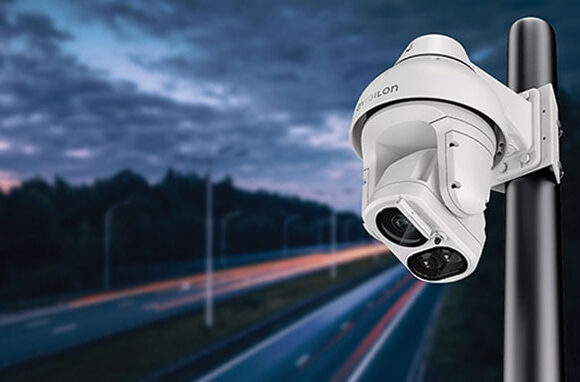
Axis Communications: World’s First Object Detection Orchestra
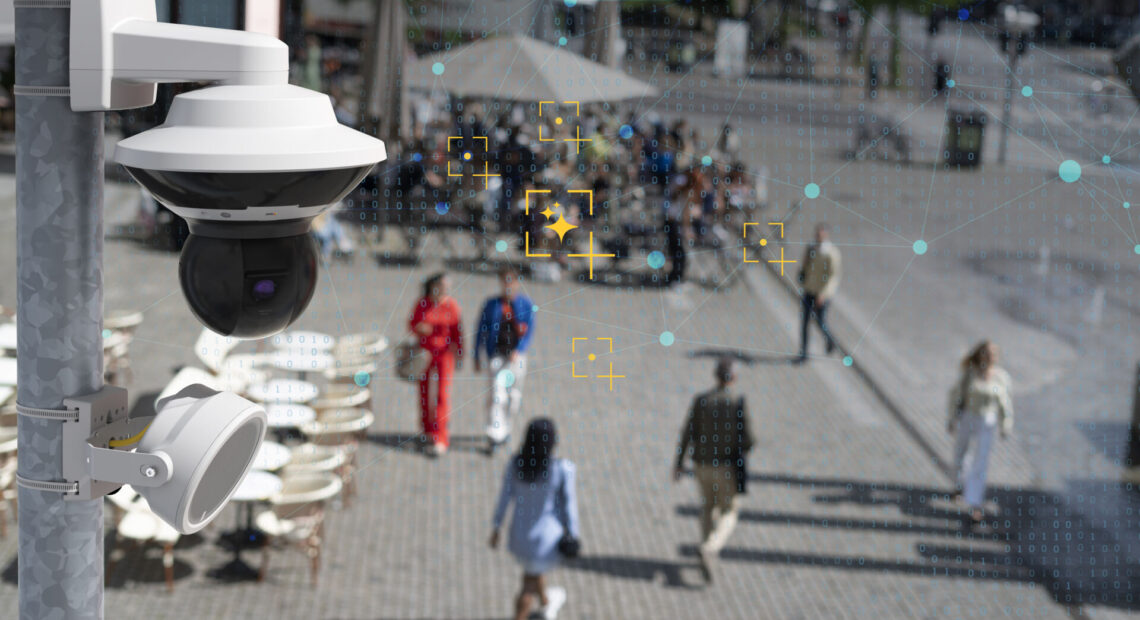
Inside the lens of every camera, an evolutionary leap is taking place. Previously, humans would look through cameras to see things. Now, machine learning enables cameras to do it for them. Say hello to a new generation of intelligent monitoring and surveillance solutions, thanks to a technology that, ironically, can’t be seen.
By: Sienna Cacan, Enterprise Segment Marketing Manager, Axis Communications
Between 2025 and 2033, the global AI video analytics market is expected to grow at a CAGR of 21.4%, reaching $71.3 billion in value, according to Grand View Research. This growth is being driven by its ability to deliver data-driven insights that enhance operational planning and decision-making. In the Middle East and among GCC member states, the integration of AI into video surveillance cameras is reshaping the market and driving strong growth projections. Market insights from Precedence Research show that Saudi Arabia led the sector in 2024, while the UAE is expected to witness significant growth in the years ahead.
However, video analytics is only as valuable as its outcomes, and its results are only as impactful as they are tangible. It also represents an ecosystem of technologies, including network surveillance, motion detection, and edge computing, that are coalescing and reshaping security and surveillance as we know it.
For that to happen, technology vendors have to demonstrate the efficacy of their solutions. The best ones are those that get creative. When that happens, companies see the potential of analytics to modernize themselves, strengthen security, and improve business performance.
From Analog to Digital, to Intelligent, to the Edge
Video analytics marks a fundamental shift away from manual surveillance, where human operators were required to monitor multiple camera feeds and identify people, vehicles, and other objects in their lines of sight. The image of security personnel sitting in a backroom looking at a stack of CCTV feeds is now very much obsolete, especially as the Middle East, its urban areas, and critical industries like oil and gas invest in security technologies that aim to enhance their efficiency and resilience.
The enterprise value of AI-enabled edge analytics is seismic. It boasts incredible potential where devices and servers at the edge of networks can perform storage and analytics locally, thus reducing latency and bandwidth requirements. As a result, vendors like Axis have prioritized the development of those capabilities, culminating in ARTPEC-9, the ninth generation of its purpose-built system-on-chip (SoC). Building on and refining the capabilities of previous generations, ARTPEC-9 advances AI-powered analytics and supports the AV1 video encoding standard from the Alliance for Open Media (AOM), a first for network video and helping operators reduce storage costs without compromising forensic detail.
Edge AI is one of the primary areas where the technology is being applied in the security industry, and it now plays a valuable role in hybrid solution architectures. Edge AI analytics help boost accuracy by analyzing video footage at the source, avoiding potential data degradation that may arise from transferring footage between environments.
To demonstrate the customization capabilities of its network surveillance cameras, Axis turned them into musical instruments. Cameras were trained to identify a selection of different objects, and each object was allocated a sound that would trigger whenever it was detected in a specific zone. The result was the world’s first object detection orchestra
An Intelligent, Scalable, and Universal Solution
Consider the following: a camera is no longer just a camera. Transformed by analytics, it is a high-performing piece of hardware that industries, companies, and security teams can use to automate actions and deliver valuable insights. For that to happen, analytics solutions need to be intuitive. Built on open platforms, they can be user-friendly and integrate seamlessly with existing network systems, allowing for scalability and systems to grow as organizations do and infrastructure is rolled out.
The value proposition of analytics remains the same regardless of application or use case. An oil and gas plant wants to monitor the number of employees present in potentially hazardous areas. A city planner wants to power a digital twin of the urban environment and conduct traffic management tests. A retail chain wants to set up a self-checkout service at its stores that lets staff keep a lookout for items that haven’t been scanned and paid for.
All these use cases are feasible using the same approach. By integrating AI into video surveillance, operators can increase their situational awareness and accelerate their response times in the event of incidents. It improves accuracy levels and delivers data insights that companies can use to improve their operational efficiency.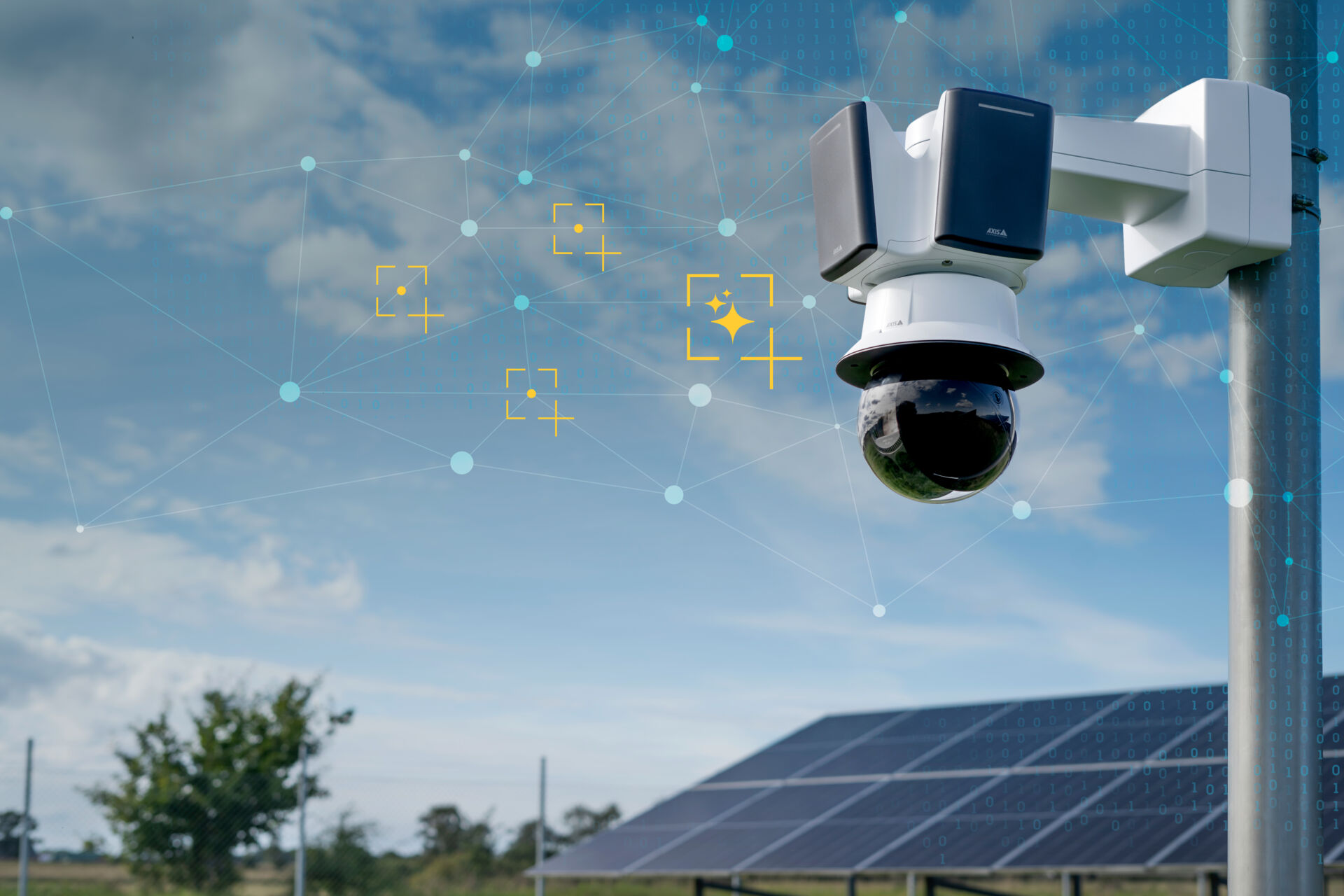
Technological and Musical Orchestration
Video analytics applications have evolved quickly over the last five years. Coupled with advancements in camera technology and the maturation of regulations regarding privacy and data protection, companies can now access and deploy entire suites of tools dependent on their security and surveillance needs.
Manifested, analytics is also indicative of new business value at no extra cost. For example, Axis Object Analytics comes preinstalled on compatible Axis network cameras. Customers do not have to pay extra for it. The application is edge-based, thereby eliminating the need for additional servers, and it can run multiple, customized detection scenarios simultaneously. Again, it’s all about doing more with less.
To demonstrate the customization capabilities of its portfolio of network surveillance cameras, Axis turned them into musical instruments. Cameras were trained to identify a selection of different objects, and each object was allocated a sound that would trigger whenever it was detected in a specific zone.
The result was the world’s first object detection orchestra, overseen by the Axis team and music producer Jonas Quant, performing a synthwave rendition of Strauss’s ‘Also sprach Zarathustra’. It was a novel idea that went a long way in showing not just how the technology works, but its inherent versatility. Analytics could be the world’s next big pop music star, so just imagine what it can do for business.
An Exciting Outlook
At its core, analytics must contribute to a shared vision of a smarter and safer world. It is a means to better understand our surroundings and what is taking place and what is taking place, enabling industries, companies, and personnel to make informed decisions and best protect people, resources, and infrastructure.
The market for video analytics in the Middle East will continue to grow, requiring developers, manufacturers, and installers to up their game to meet demand. Meanwhile, the technology continues to evolve. Already, we’re reaching new frontiers as analytics are integrated into surveillance drones, used to analyze highly detailed patterns of human behavior, and form part of IoT networks that span entire regions.
The future of AI and analytics in video surveillance is not just about the technology getting smarter; it’s also about using the technology in smarter ways. Backed by strategic thinking and with the help of trusted brands, companies can set a new standard in intelligent surveillance.