HID: Mobile access won’t replace physical cards
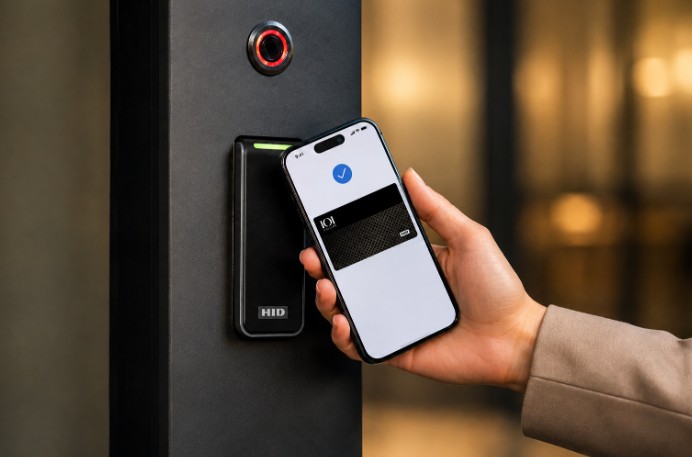
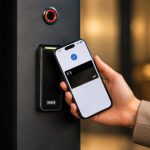
Mobile credentials are gaining ground in physical access control, but HID says that does not mean traditional cards are on their way out. Instead, the company expects mobile and physical credentials to coexist as organizations adapt access strategies to different users, environments and security requirements.
In a recent analysis of mobile access trends, HID argues that organizations should not view hybrid access as a temporary stage on the way to an entirely mobile environment. While mobile credentials offer advantages in security, convenience and integration with digital identity systems, HID says there are lasting reasons why physical cards will continue to play a role.
One is the continued need for visible photo identification in many workplaces. Physical credentials can provide immediate visual confirmation of a person’s identity, company and role, something a credential stored on a smartphone cannot necessarily provide.
Privacy and workplace policies are another factor. In workplaces where employees routinely use their personal smartphones for work, some may still prefer not to install or store a company access credential on their own device. Other facilities restrict smartphones altogether for confidentiality, safety or operational reasons. HID points to production floors, operating theaters and highly secure government and critical infrastructure environments as examples where physical credentials may remain necessary.
Access control involves more stakeholders
HID also notes that access control is no longer solely a security department decision. IT teams increasingly want credentials integrated with identity lifecycle management and zero-trust strategies, while HR and workplace teams focus on adoption and user experience. Compliance teams, meanwhile, require appropriate auditing and accountability.
These different requirements make a single credential format difficult to apply across every organization, employee and facility.
Mobile adoption can also vary significantly within the same organization. Different areas may require different access methods, from standard office entrances to employee workspaces and highly restricted operational zones.
HID’s conclusion is that mobile access will continue to expand, but organizations should deploy it where it improves security and user experience while retaining physical credentials where they remain the better fit.