GlobalData highlights cyber risks across energy supply chains
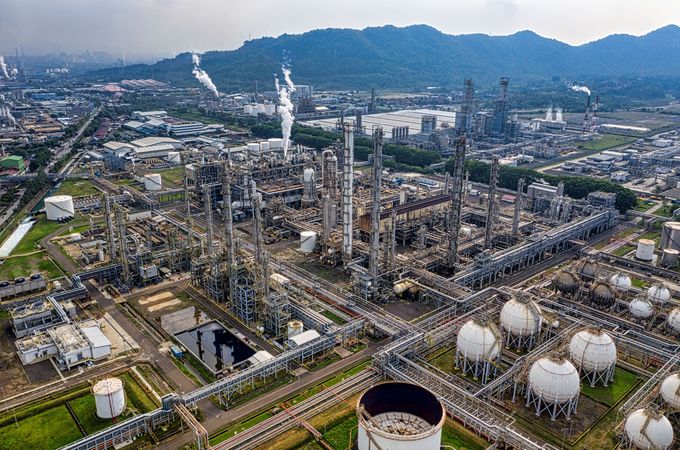
Energy companies face growing cybersecurity risks as digitalization, IT/OT convergence and reliance on third-party suppliers expand the attack surface across critical infrastructure, according to GlobalData.
A new GlobalData Strategic Intelligence report examines how cybersecurity affects major energy-sector challenges, including digitalization, distributed energy resources and grid modernization, supply chains, third-party vendors and geopolitical risk.
GlobalData describes energy infrastructure as a high-value target for cybercriminals because attacks on critical national infrastructure can disrupt essential services, create wider instability and cause significant financial losses. Rising geopolitical uncertainty is also increasing the risk of cyber espionage against energy companies and infrastructure operators.
Digitalization is adding to that exposure. The convergence of information technology and operational technology is connecting legacy assets with modern grid systems, creating additional entry points through which an IT compromise could affect physical operations. Generative AI is further increasing attacker speed and sophistication, reducing the time available for defenders to respond.
Third-party vendors are identified as another major vulnerability. Supplier weaknesses can spread into both IT and OT environments, particularly where companies depend on shared software and interconnected technology ecosystems. GlobalData recommends stronger vendor governance through continuous monitoring, segmentation, least-privilege access, security standards, audits and coordinated incident response.
The report also includes forecasts for how cybersecurity in energy is expected to evolve and case studies examining companies applying cybersecurity technologies across the sector.