Iris ID: Three Pillars of Identity: Security, Privacy, and Convenience
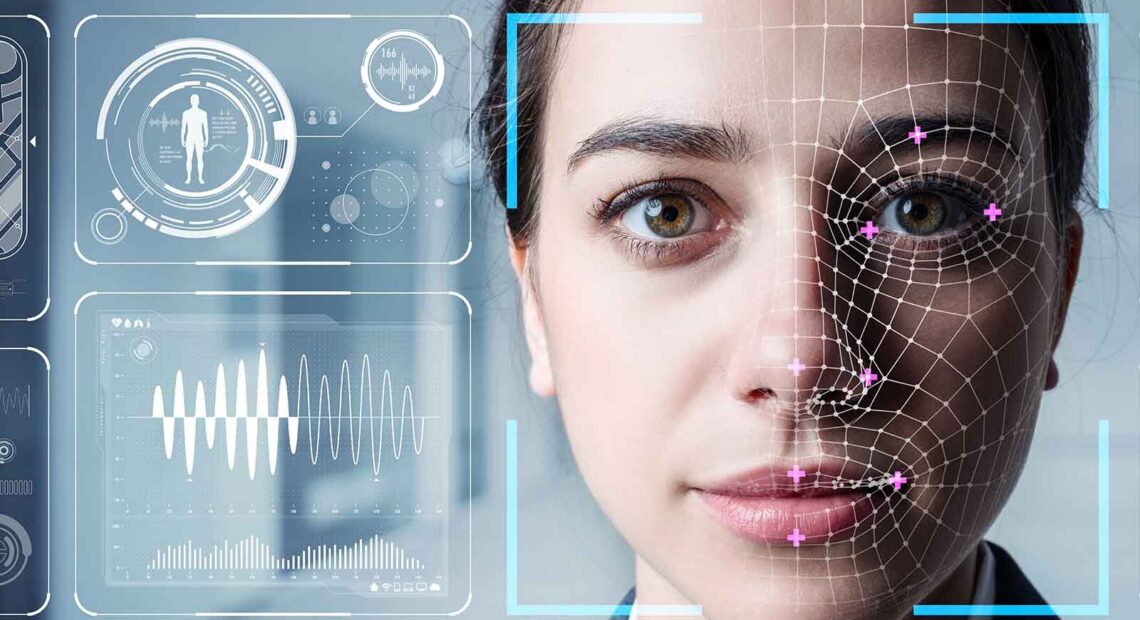
The future of access control lies in unifying privacy, security, and convenience without sacrificing one for the other. The most successful organizations will design access control systems combined with identity frameworks rooted in trust and usability, where technology enhances the human experience.
By: Mohammed Murad, Chief Revenue Officer, Iris ID
In an era where both cybercrime and physical identity breaches are constant threats, the disruption and financial strain they cause cannot be overstated. Each data breach or unauthorized entry leaves companies scrambling, spending millions to upgrade systems, compensate victims, or pay ransoms. Meanwhile, individuals are left helpless, wondering when the next attack will strike.
Under the current circumstances, traditional approaches to authentication and identity have proven insufficient. To move forward, we must begin to manage identity through a new lens, one grounded in the three essential pillars of privacy, security, and convenience.
Forging a New Pathway
Access control and identity are not siloed disciplines—they must work together to protect both the individual and the organization. As threats evolve, companies must prioritize multi-factor and multi-modal biometric authentication. Using biometrics alongside traditional credentials like PINs or smart cards creates a stronger, more dynamic defense against attacks targeting a physical door or a digital space. Unlike static credentials, biometrics are inherently more secure, harder to steal, replicate, or misuse.
However, technology alone is not enough. Organizations must design strategies and policies that balance security, privacy, and convenience. The question becomes not if to invest in such systems, but when, because the cost of inaction is measured in breached data, broken trust, and lost reputation.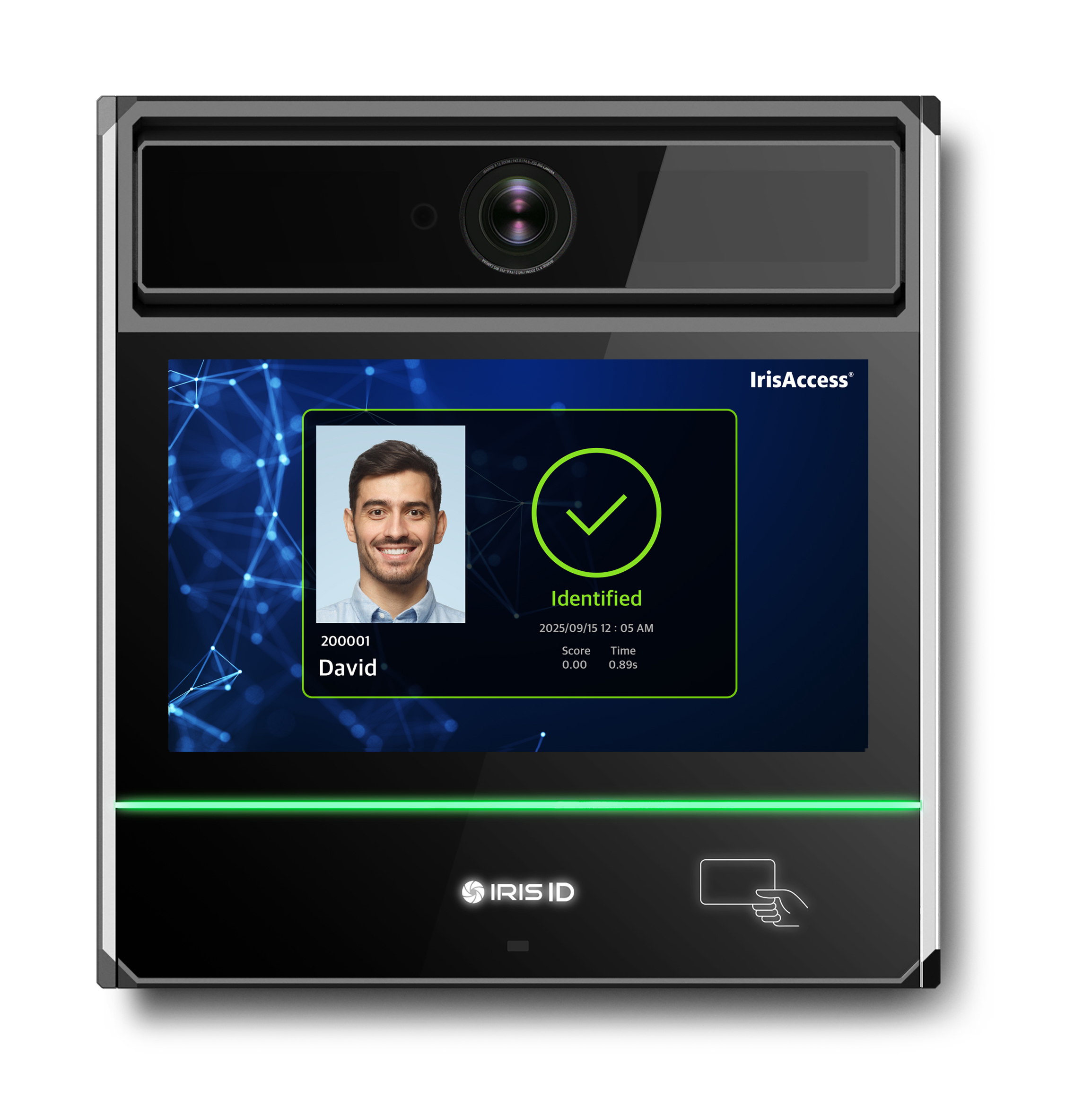
The Balancing Act
Balancing privacy, security, and convenience means developing identity authentication solutions around the user. When users are in control, they place more trust in the systems and are more likely to be more engaged with adhering to proper protocols. A successful identity framework should be: simple to use, without sacrificing rigor, compliant with global biometric governance, and designed for effortless deployment and management. For example, pairing a biometric identifier with a smart card or mobile credential adds both security and convenience. If the device is lost or stolen, the biometric remains uncompromised, rendering the credential useless to anyone else. In this way, organizations protect both the Personally Identifiable Information (PII) and the system, while users retain confidence in how their identity is safeguarded.
The Future of Identity
The future of identity management depends on trust, transparency, and adaptability. Users must understand how their personal data is collected, stored, and used. Organizations, in turn, must commit to protecting that data through encryption, secure storage, and compliance with privacy regulations such as the GDPR. The industry must coalesce to enforce strict regulations that are globally and uniformly followed.
Using biometrics alongside traditional credentials like PINs or smart cards creates a stronger, more dynamic defense. Unlike static credentials, biometrics are inherently more secure, harder to steal, replicate, or misuse.
As technology continues to evolve, identity authentication systems will need to be compatible with AI tools. Artificial intelligence and machine learning will help systems recognize behavior patterns and detect anomalies in real time, strengthening protection without adding friction. Access control will need to operate seamlessly across these multiple complex ecosystems
Ultimately, the future of access control lies in unifying privacy, security, and convenience without sacrificing one for the other. The most successful organizations will design access control systems combined with identity frameworks rooted in trust and usability, where technology enhances the human experience.
A Framework for Moving Forward
To strengthen identity systems today, organizations can take several immediate steps. They can analyze the authentication ecosystem to identify potential gaps and leverage multimodal biometrics and MFA for higher security with effortless usability. It is also essential to embed transparency and informed consent into all aspects of data handling, while building trust and a strong compliance culture through user and stakeholder education.
Conclusion
Access control can no longer just focus on keeping the wrong people out. It must take into account the total picture and include solutions that foster secure, private, and seamless interactions between people and technology.
By embracing a holistic, user-centric approach grounded in privacy, security, and convenience, we can build systems that protect what matters most, while empowering individuals to engage confidently in both the physical and digital worlds.